Summer family photos in the Austin and Leander area are some of my favorites to shoot, golden hour light, warm air, and that easy, relaxed energy families bring when school is out and everyone is actually in the same place at the same time. But every year, the question I hear most before a session is the same one: "What do we wear?"
This guide will walk you through everything , why coordination beats matching, which fabrics hold up in the Texas heat, and why the single most important styling decision you'll make has nothing to do with clothing at all.
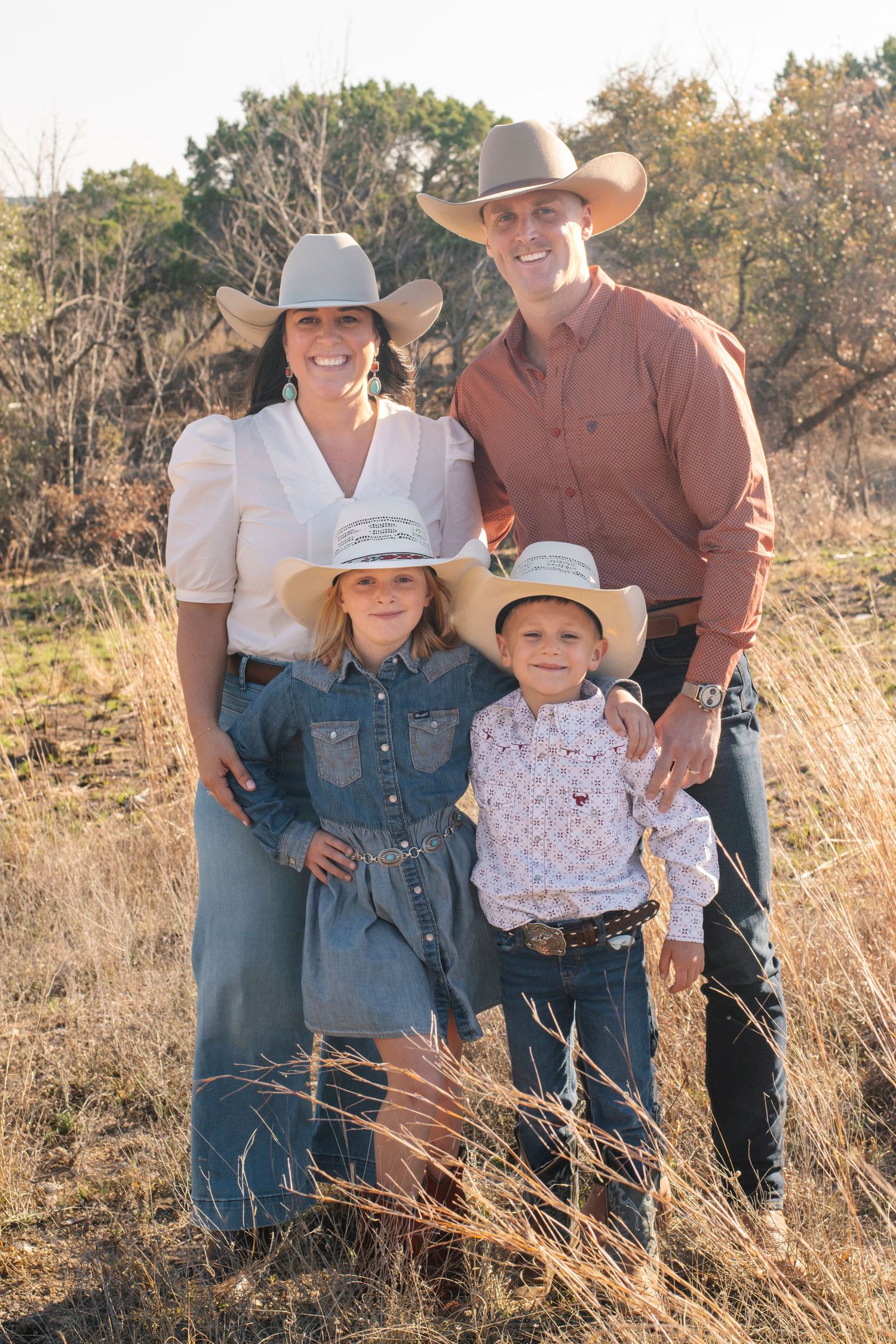
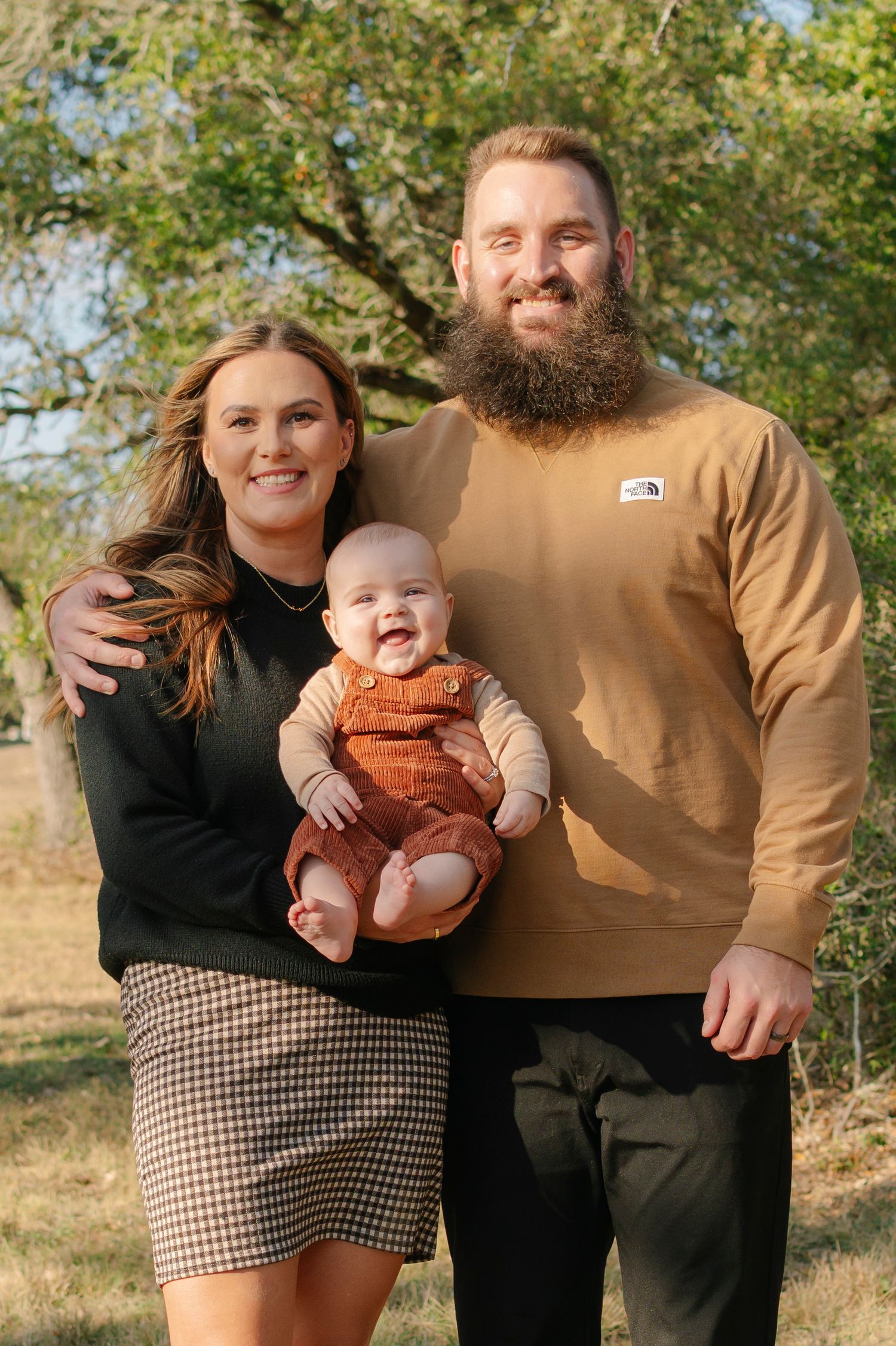
Coordinated, Not Matching: There's a Big Difference
Let's start here because it changes everything.
Matching means everyone wears the same thing, same white shirt, same khaki pants, same shade of navy. It was the family photo standard in the 90s and it's not doing anyone any favors. It reads as stiff, dated, and robotic. Worst of all, it strips each person's personality out of the image entirely.
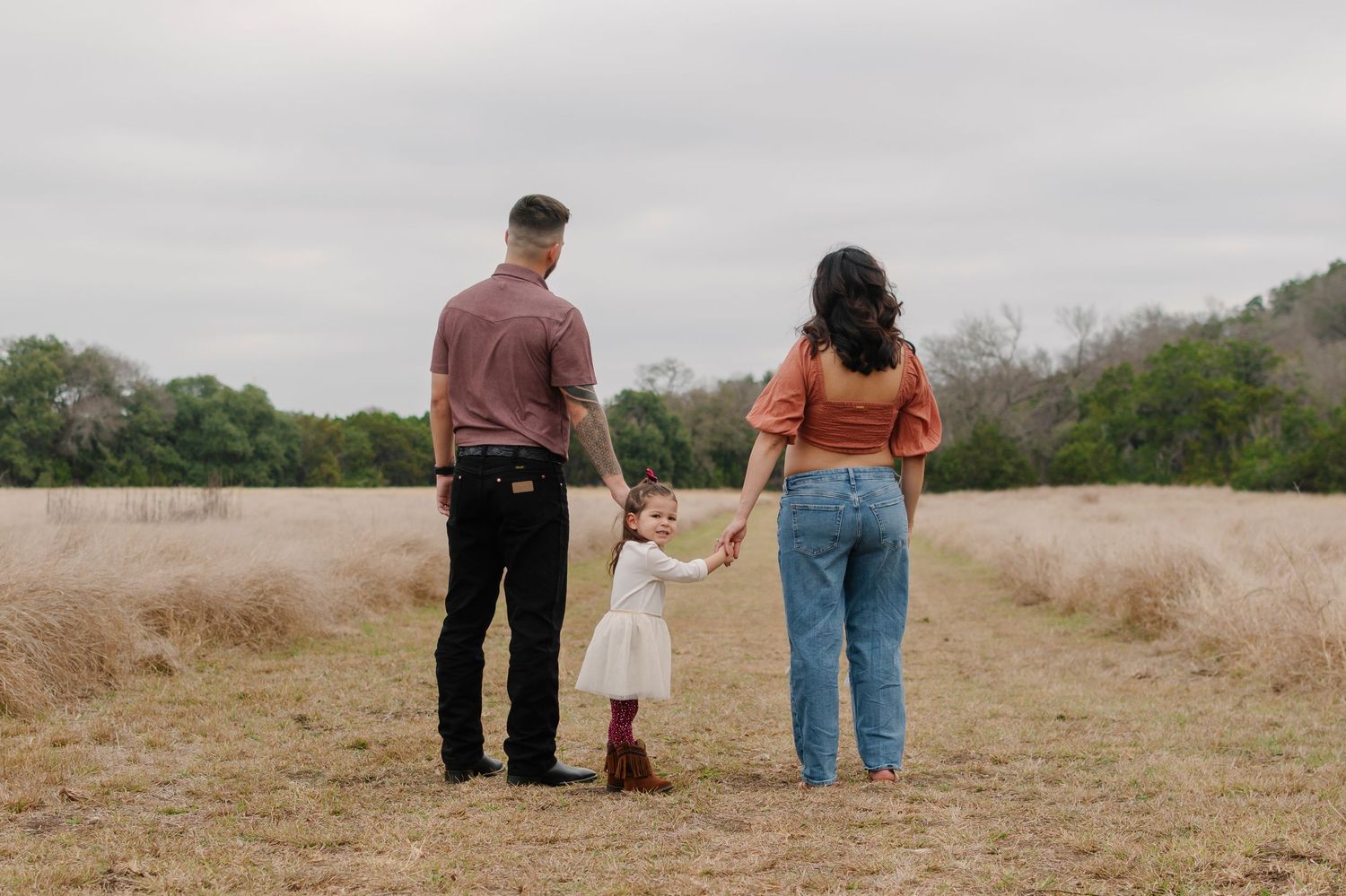
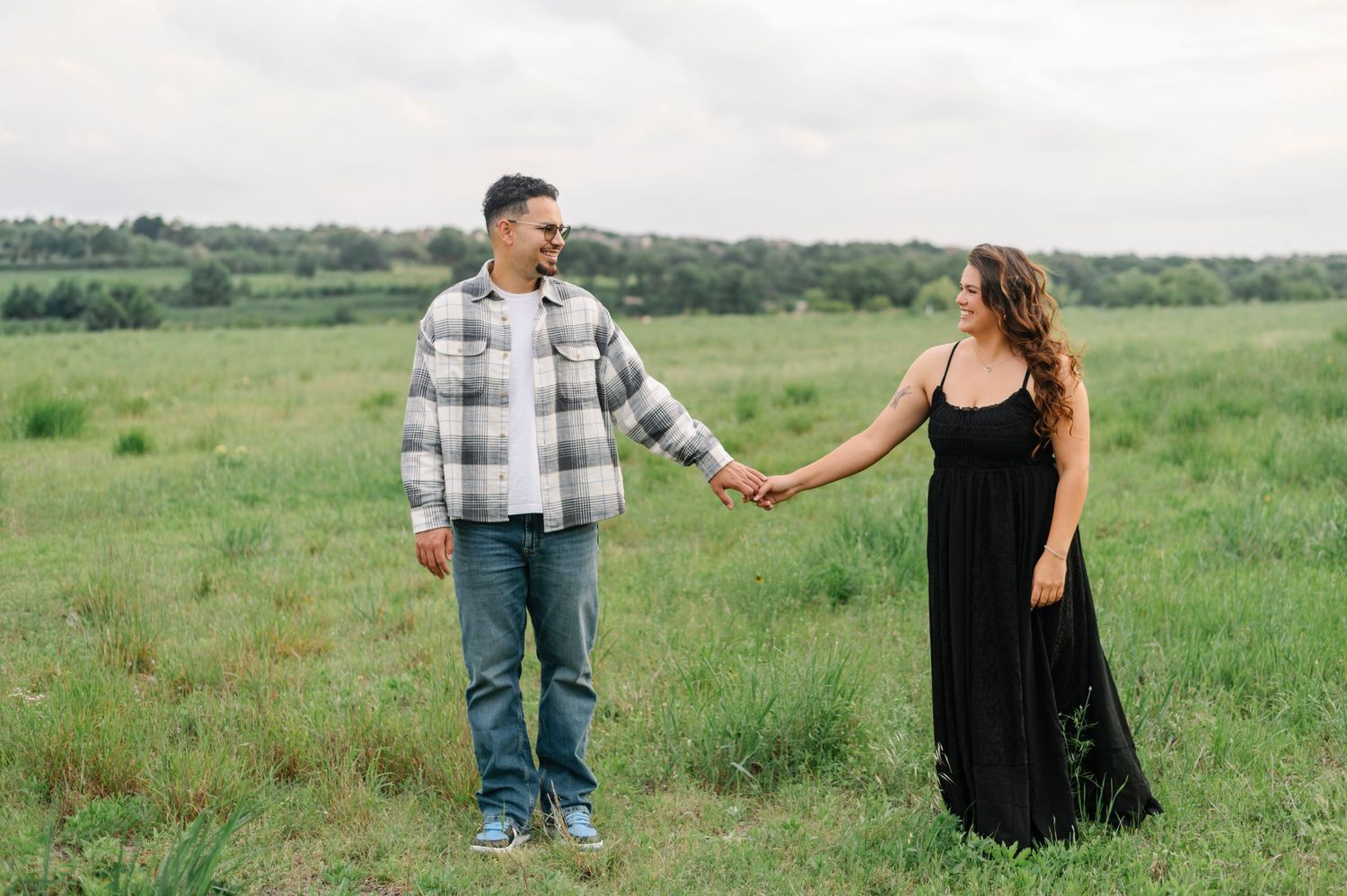
Coordinating means everyone belongs to the same visual family without being identical. You're working within a shared color palette, 3 to 4 colors max, but each person wears something that reflects their own style. Mom can be in a flowy linen dress. Dad can be in a chambray button-down and chinos. The kids can mix patterns and solids as long as they're pulling from the same palette. The result looks intentional, cohesive, and, most importantly, like your family.
The easiest way to build a coordinated look: start with one anchor piece. Usually that's mom's outfit or a daughter's dress that has a pattern with 2–3 colors in it. Then pull those colors out for everyone else. You don't all have to wear every color — just make sure each piece connects back to the palette in some way.
Fabrics and Textures: What Photographs Well (and What Doesn't)
This is one of the most overlooked parts of styling for photos, and it matters more than most people think. The camera sees fabric differently than your eye does.
What works:
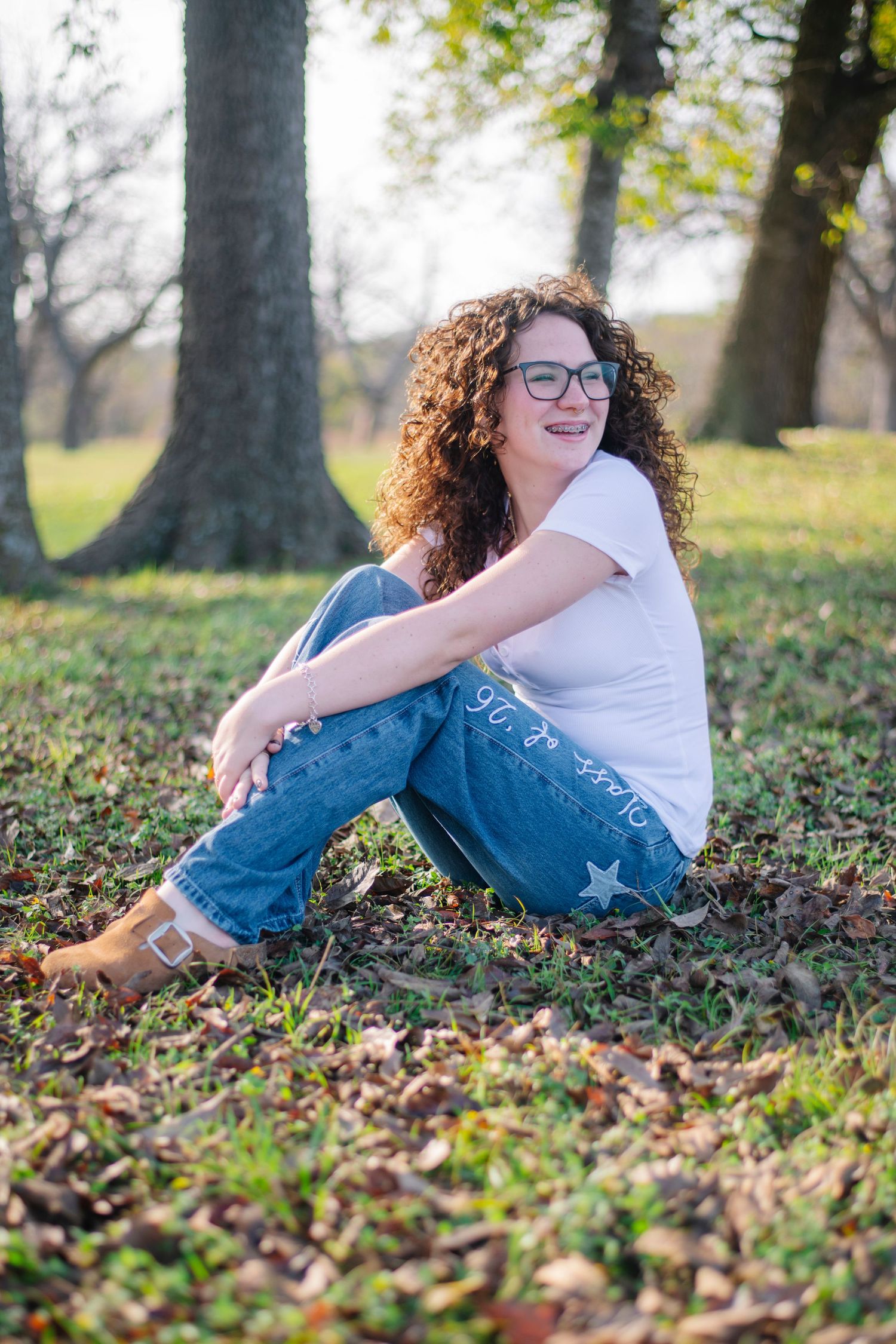
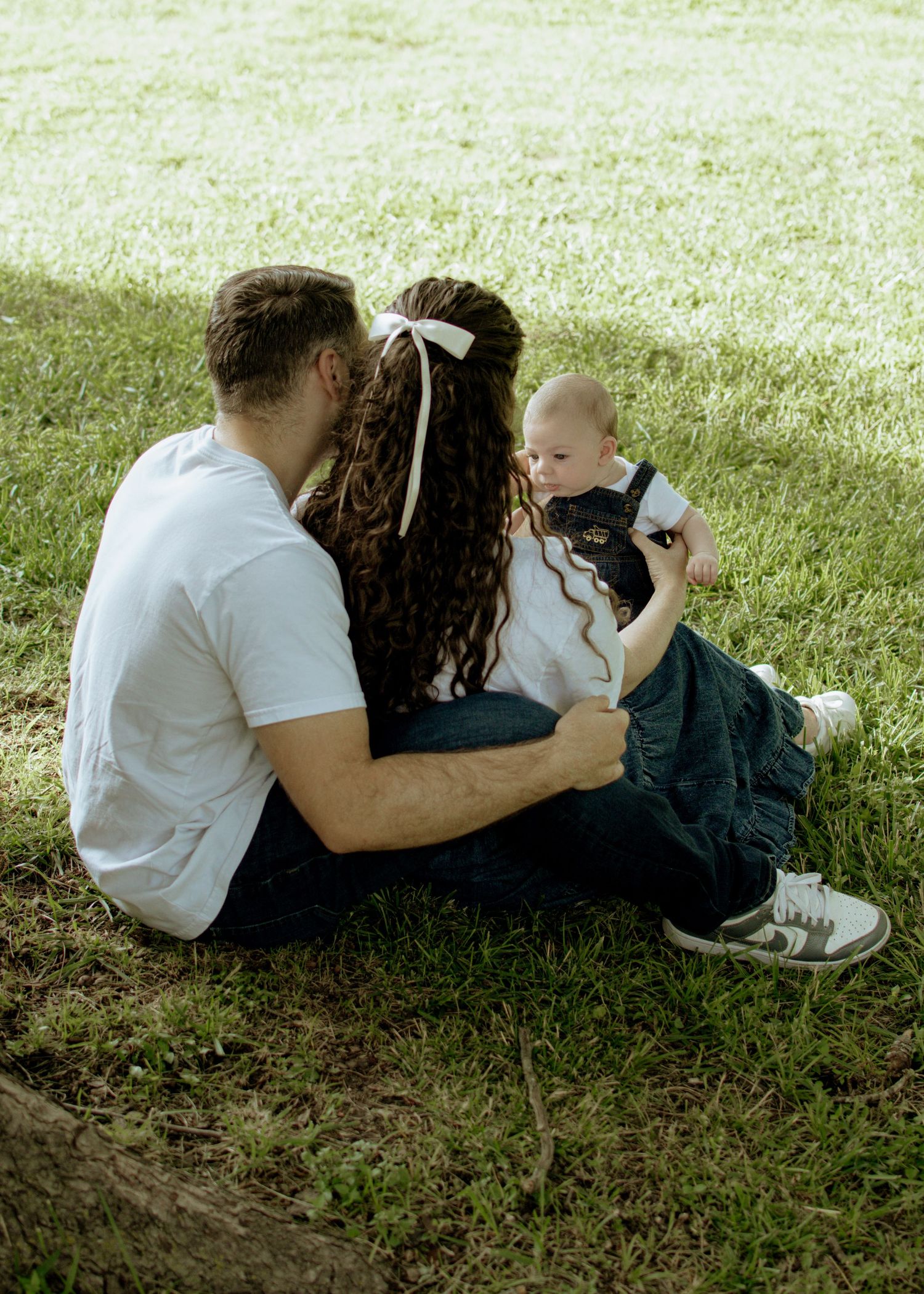
Linen is the gold standard for Texas summer sessions, it's lightweight, breathable, and photographs beautifully. It has just enough texture to add visual interest without competing with faces. Cotton is a close second. Flowy fabrics like chiffon and gauze move well in photos, especially outdoors where there's a breeze, and that movement adds life to images. Soft knits in solid colors or subtle patterns also work well.
What doesn't:
Thin stripes and tight plaids cause what's called "moiré", a visual distortion that makes the fabric look like it's vibrating in photos. It's distracting and can't be fixed in editing. Avoid them. Similarly, shiny or highly synthetic fabrics (polyester, satin, athletic quick-dry material) catch and reflect light in unflattering ways. Heavy textures like thick cable knits or chunky sweaters are impractical in Texas summer heat and don't photograph as warmly as you'd hope. And bright white, while tempting, tends to blow out in bright outdoor light and can wash out complexions, opt for cream or ivory instead.
A quick rule of thumb: if the fabric would make you sweat standing in the shade at 7pm in July, leave it at home.
The Location Decides the Palette
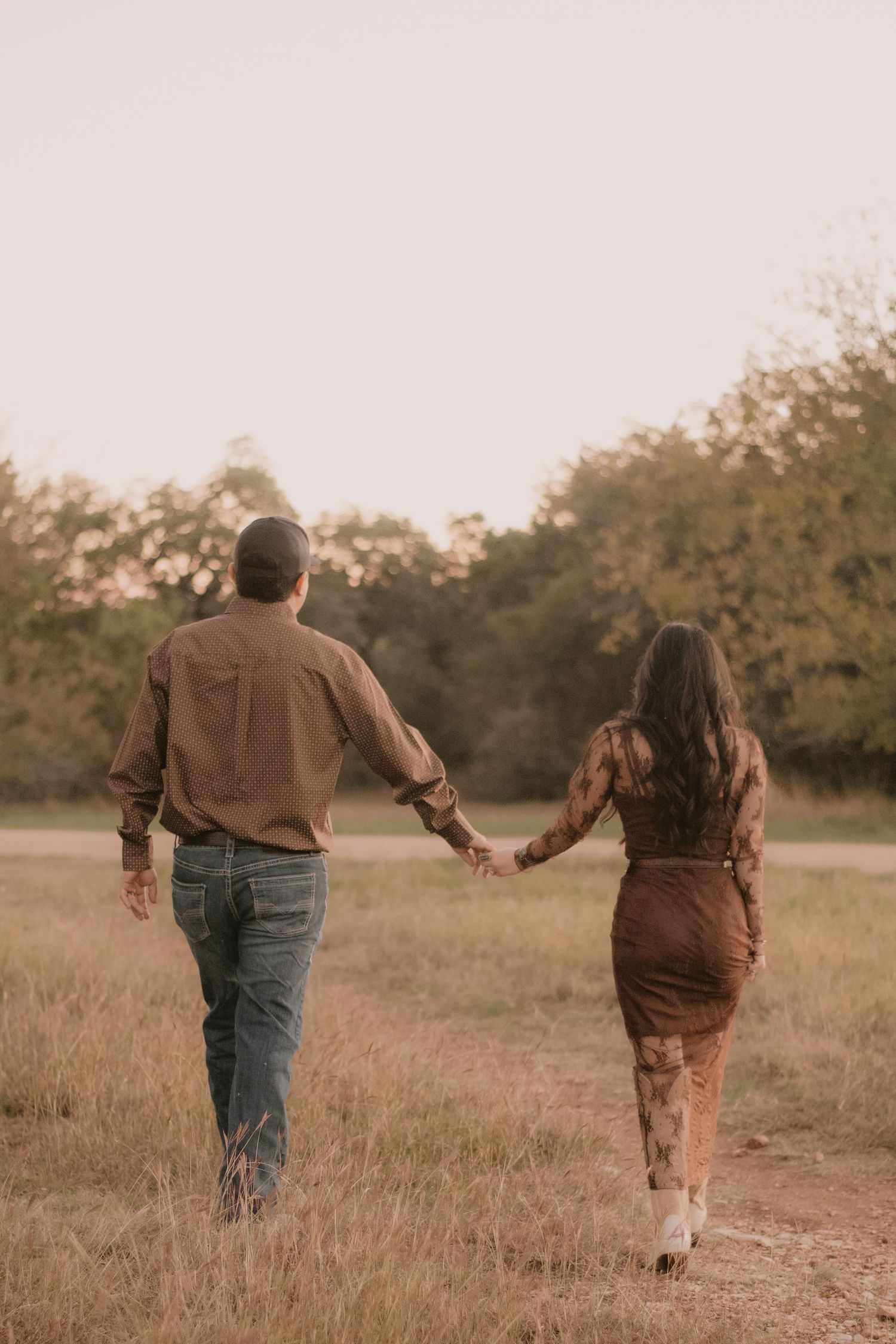
Here's the piece most styling guides skip, and it's the one I care about most.
Your outfits need to work with your location, not against it.
The Central Texas area has a ton of variety when it comes to session settings, and each one calls for a completely different approach. A family that looks stunning in a wildflower field could look visually disconnected at an urban downtown location, not because the outfits are bad, but because the environment has changed.
Let me give you a real example.
Lake Georgetown is all natural earth tones: sandy limestone, cedar greens, muted blue water, golden grasses. Outfits that shine here lean warm and organic: dusty rose, sage, cream, terracotta, warm tan, soft blue. Think linen, natural fabrics, relaxed silhouettes. The palette blends into the landscape in a way that feels effortless and timeless.
Downtown Georgetown: the historic square, the brick storefronts, the painted murals, is a completely different visual world. Here, richer tones and slightly more structured outfits read better. Deep rust, navy, olive, cream, burgundy. The architecture has more contrast and visual weight, so your clothing can carry a little more too. Flowing boho dresses and sandy neutrals that are perfect at the lake can get lost against brick and painted surfaces.
If you show up to a downtown session in the exact same palette you'd wear to a lakeside field session, something will feel off, even if you can't pinpoint why. The clothes won't feel grounded in the environment.
Before you finalize your outfits, ask yourself: what does my location look like? What are the dominant colors in the background? Greens and earth tones? Brick and concrete? Open sky and golden grass? Let that answer guide your palette.
When you book with me, I'll share your specific location details and we can work through this together. It's one of my favorite parts of the planning process.
Colors to Build Around for Summer
For most Central Texas summer locations, whether you're at Brushy Creek, a private property in Leander, a field off 183, or anywhere around the Georgetown or Austin area — these palettes tend to photograph beautifully:
Warm Naturals: Cream, warm white, tan, terracotta, dusty rose, sage green. Works almost everywhere and photographs especially well during golden hour when the light adds warmth.
Cool and Airy: Soft blue, powder blue, white, light gray, pale lavender. Great for open sky backgrounds and water-adjacent locations.
Earth and Rich: Rust, olive, deep teal, camel, warm brown. Excellent for urban or architectural settings, or late summer sessions when the landscape is more golden than green.
What to avoid: Neon colors (they reflect onto skin), pure black (reads too heavy in summer outdoor light), overly saturated brights that compete with faces, and large graphic logos.
Summer sessions in the Leander and Austin, Texas area book up fast, especially for golden hour spots. If you're ready to plan your session, location, timing, and style guidance included, I'd love to help.
Book your summer session here →